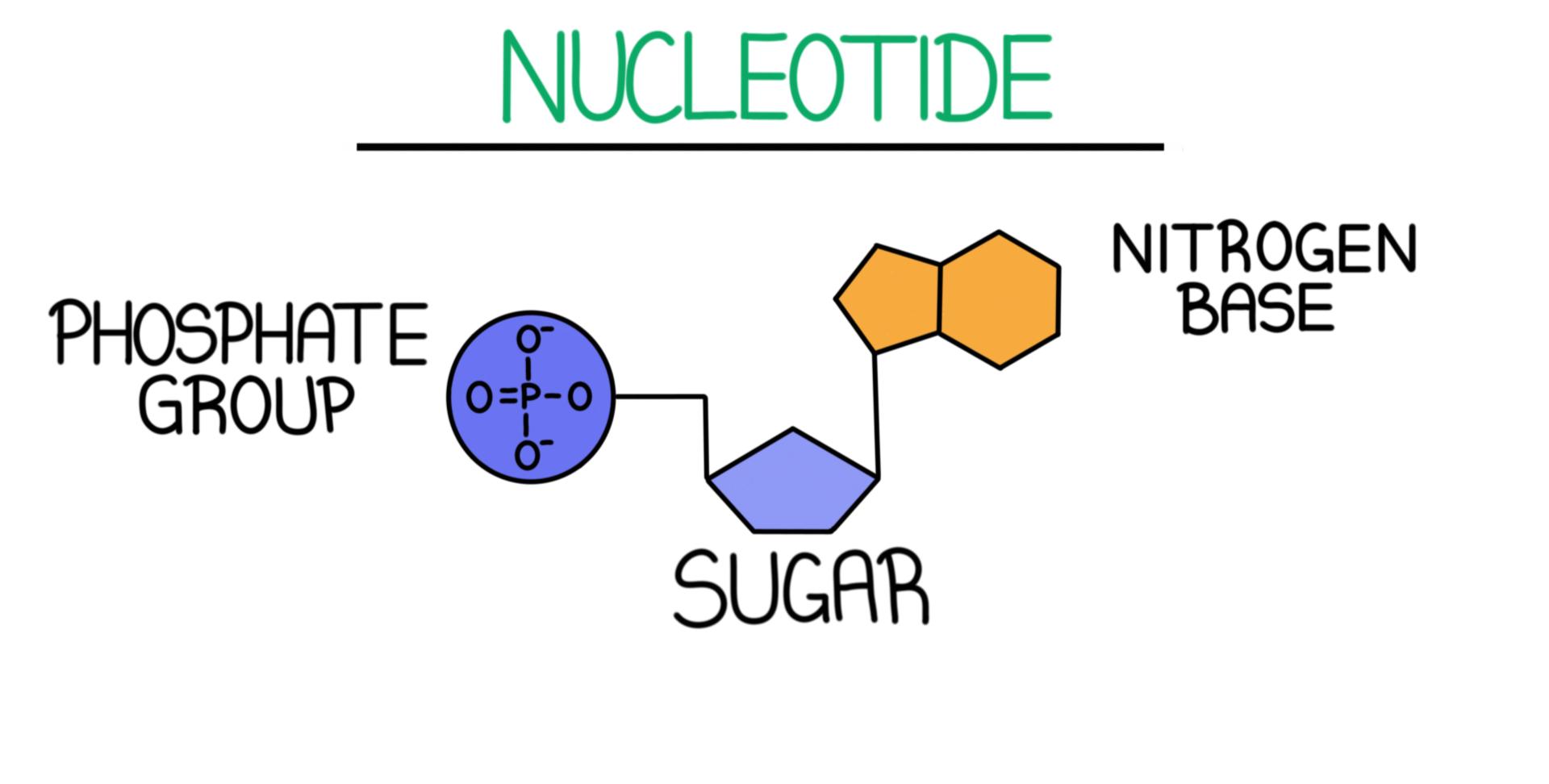
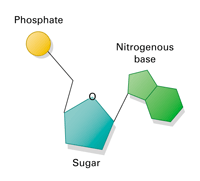
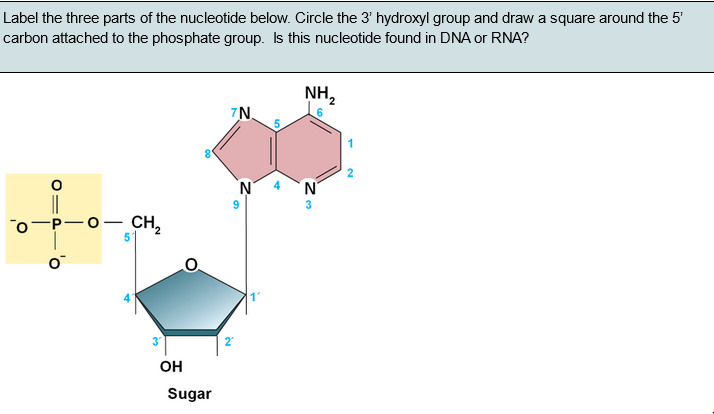
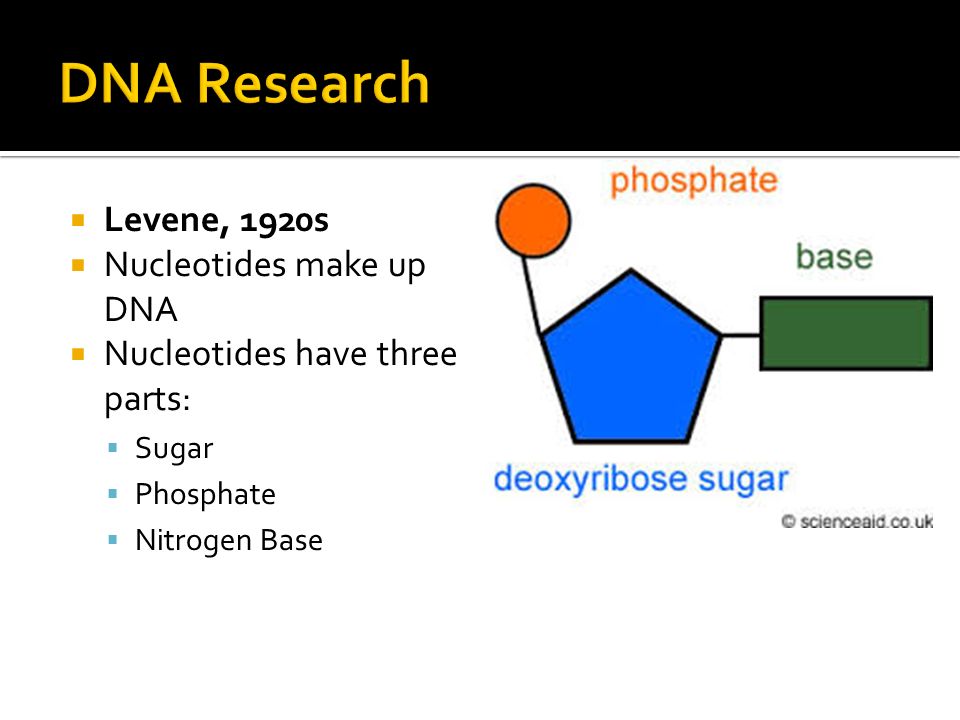
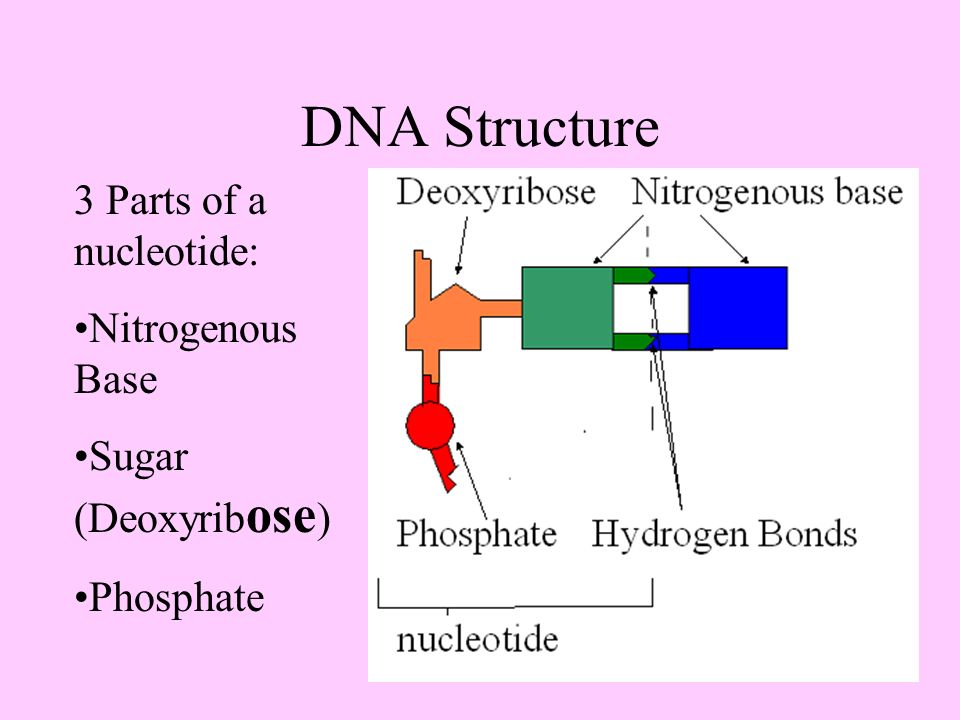
44 three parts of the nucleotide
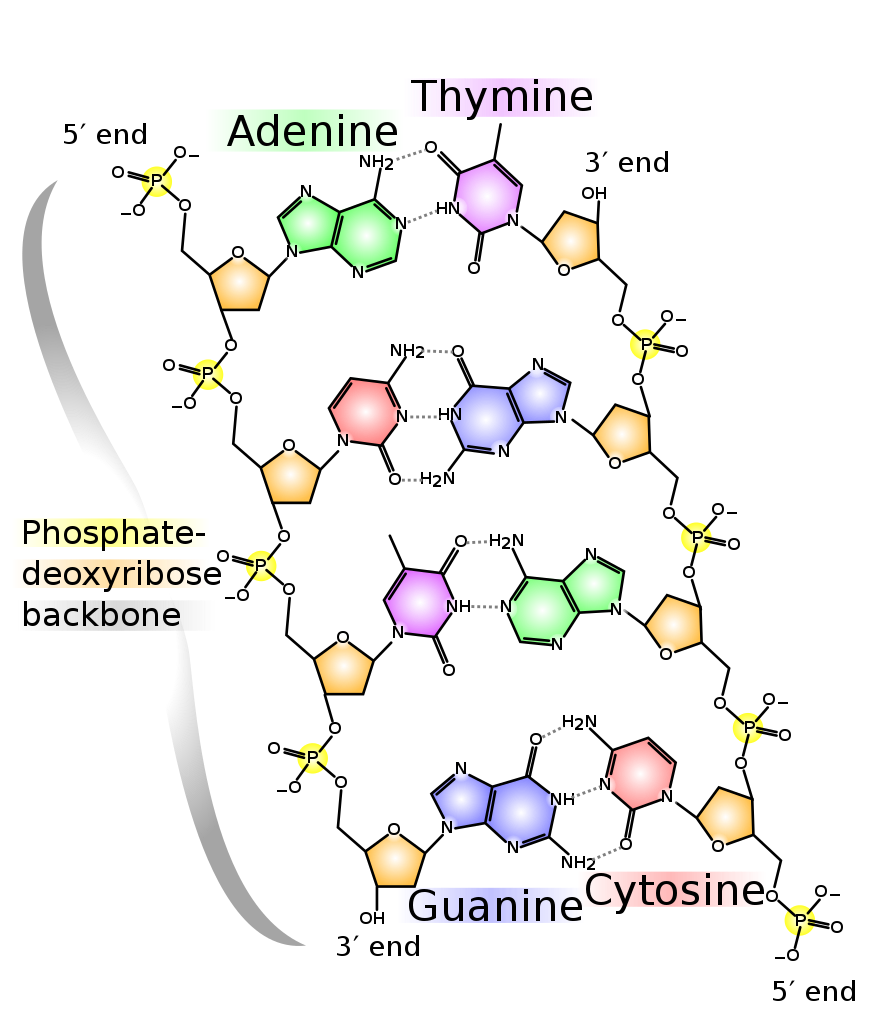
en.wikipedia.org › wiki › Directionality_(molecularDirectionality (molecular biology) - Wikipedia The 3′-end (three prime end) of a strand is so named due to it terminating at the hydroxyl group of the third carbon in the sugar-ring, and is known as the tail end.The 3′-hydroxyl is necessary in the synthesis of new nucleic acid molecules as it is ligated (joined) to the 5′-phosphate of a separate nucleotide, allowing the formation of strands of linked nucleotides. What does blood do? - InformedHealth.org - NCBI Bookshelf 29.08.2019 · All solid parts of the blood come from common parent cells known as stem cells. In adults, blood cells are mainly produced in the bone marrow. The various blood cells develop in several stages from stem cells to blood cells or blood platelets. White blood cells such as lymphocytes don't only mature in the bone marrow, but also in the lymph nodes. When the …
TOP 9 what are the three basic components of a nucleotide BEST and ... 3 3.Bio Problem Set #10 Flashcards - Quizlet; 4 4.List the three components of a nucleotide. - Lifeeasy Biology; 5 5.3 Parts of a Nucleotide and How They Are Connected - ThoughtCo; 6 6.What are the three components of a single nucleotide? - Quora; 7 7.DNA Structure; 8 8.Blueprint of a Nucleotide I Structure, Components, and Function; 9 ...

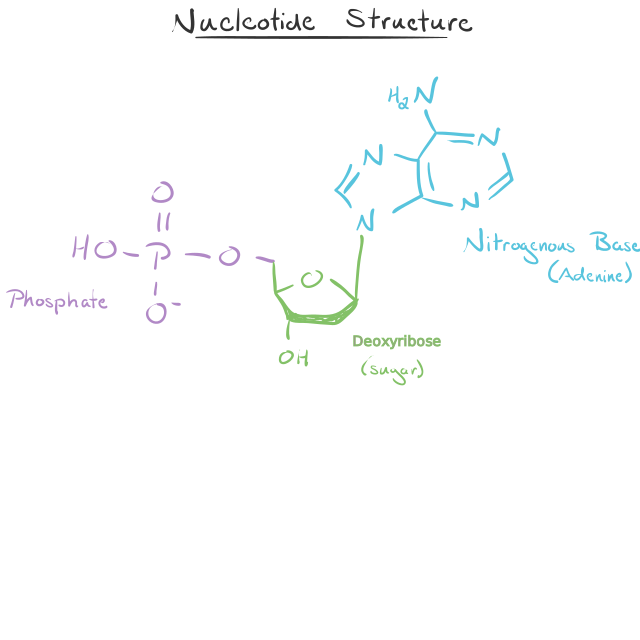
Three parts of the nucleotide
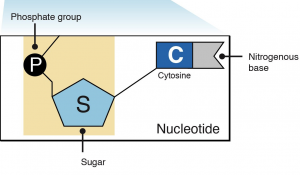
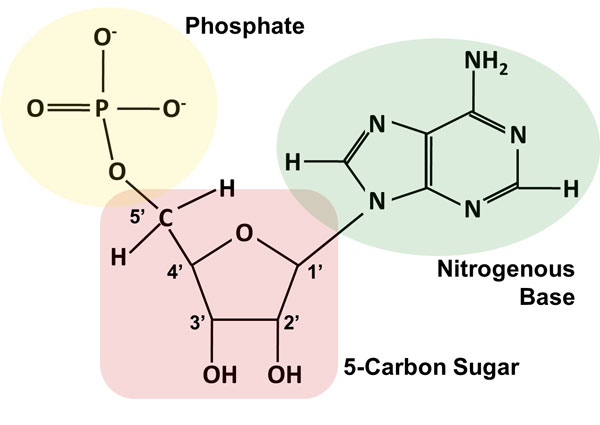
Where are the three components of a nucleotide? What are the 3 parts of the DNA nucleotide? In turn, each nucleotide is itself made up of three primary components: a nitrogen-containing region known as a nitrogenous base, a carbon-based sugar molecule called deoxyribose, and a phosphorus-containing region known as a phosphate group attached to the sugar molecule (Figure 1). . Each nucleotide consists of three parts: a nitrogenous base a five ... Each nucleotide consists of three parts: a nitrogenous base a five-carbon sugar (pentose sugar) a phosphate group (PO 43-) The bases and the sugar are different for DNA and RNA, but all nucleotides link together using the same mechanism. The primary or first carbon of the sugar links to the base. The Formulation of Health Policy by the Three Branches of … 15.07.1988 · I will discuss three areas where courts have made major contributions to health policy-reproductive rights, the right to die, and mental health. The important role of the judiciary in the field of reproductive rights has been well discussed. 10 Beginning with the seminal cases of Griswold v. Connecticut 11 and, later, Roe v. Wade, 12 the courts for nearly two decades …
Three parts of the nucleotide. Answered: What are the 3 parts of a nucleotide? | bartleby What are the 3 parts of a nucleotide? Question. What are the 3 parts of a nucleotide? ... what are 3 parts of a nucleotide? - Brainly.com Answer:The three parts of a nucleotide are: - A phosphate group- Nitrogenous base- Five-carbon atomsExplanation:These are the three parts that make up a nucleot… LPas0724 LPas0724 10/19/2020 What Are The 3 Parts Of A Nucleotide? - Cooking Tom There are three major components to a nucleotide, and they are the backbone, deoxyribose sugar, and a nitrogenous base. The backbone is a repeating chain of deoxyribose sugars. The deoxyribose sugar is made up of five carbon atoms, including the glycoside bond. The nitrogenous base is made up of an amine and a hydrophobic base. Ribosome - Definition, Function and Structure | Biology Dictionary 28.04.2017 · DNA, transcripted into RNA, is read in units of three known as codons. Therefore, with only 4 different molecules to choose from, only 48 unique combinations can be created (4 3). If proteins were created in this language, only 48 different proteins could exist. Instead, a ribosome works with tRNAs and mRNA to translate the language created by ...
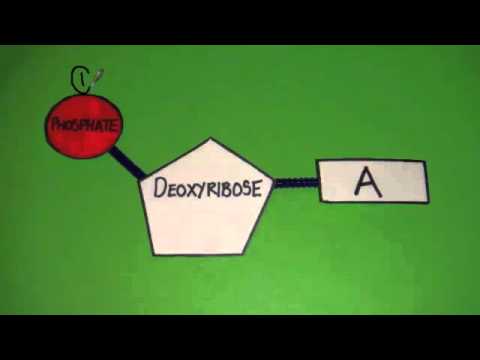
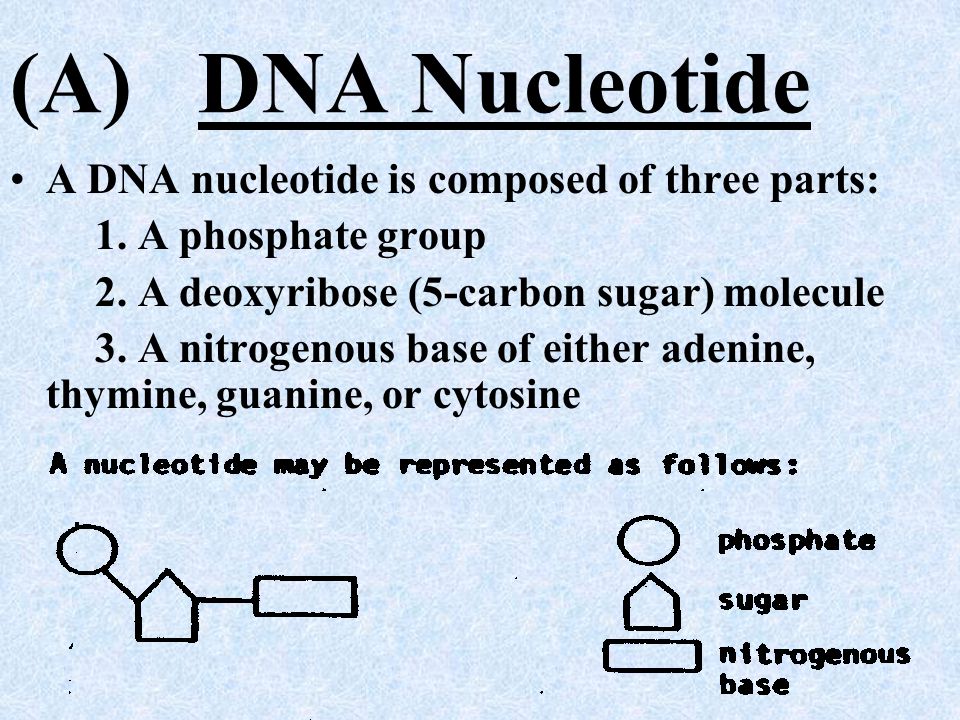
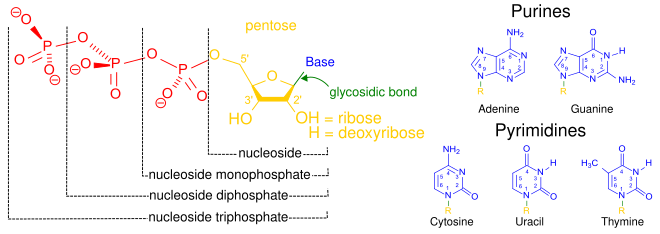
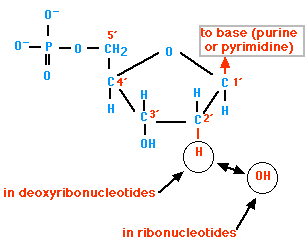
What Are the 3 Parts of a Nucleotide.docx - What Are the 3... A free nucleotide may have one , two , or three phosphate groups attached as a chain to the 5 - carbon of the sugar . When nucleotides connect to form DNA or RNA , the phosphate of one nucleotide attaches via a phosphodiester bond to the 3 - carbon of the sugar of the next nucleotide , forming the sugar - phosphate backbone of the nucleic acid . Directionality (molecular biology) - Wikipedia Directionality, in molecular biology and biochemistry, is the end-to-end chemical orientation of a single strand of nucleic acid.In a single strand of DNA or RNA, the chemical convention of naming carbon atoms in the nucleotide pentose-sugar-ring means that there will be a 5′ end (usually pronounced "five-prime end"), which frequently contains a phosphate group attached to the 5′ … What Are The Three Parts Of An Rna Nucleotide - Realonomics Each nucleotide is composed of three parts: a five-carbon sugar known as ribose a phosphate staff and one of four bases connected to each and every ribose. The 4 bases are adenine (A) cytosine (C) guanine (G) and uracil (U). What three parts form the construction of a nucleotide? DNA and RNA are made up of monomers referred to as nucleotides. 3 parts of DNA nucleotide and 4 bases of DNA - Quizlet Terms in this set (4) What are the 3 parts of a DNA nucleotide. Phosphate, deoxyribose sugar, and nitrogenous base. What are the 4 bases of DNA. Adenine, Thymine, Guanine, and Cytosine. Adenine bonds with?
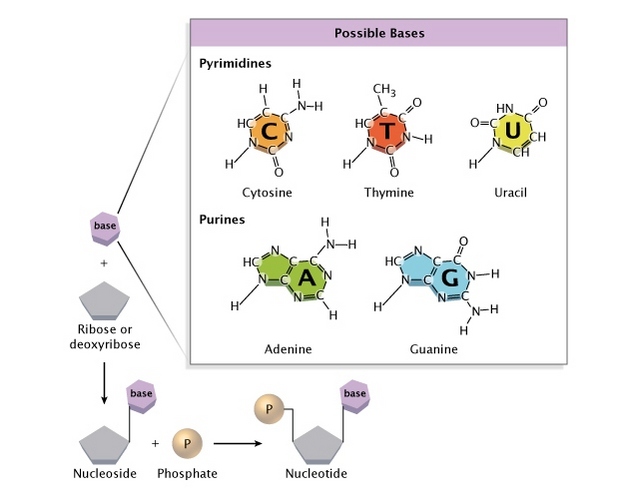
What are the 3 parts of a Nucleotide? - Answers A DNA nucleotide is comprised of three parts. Simply put, they would be a sugar, a phosphate and a nitrogenous base. What are the 3 parts to a nucleotide? The nitrogenous base, the sugar and... What are the three parts of a nucleotide? Flashcards | Quizlet What are the three parts of a nucleotide? Phospate, sugur, nitrogen base Nucleotide basic unit surgery in DNA deoxylibonuelic hydrogen bonds hold DNA together covalent bond is sharing of electrons ionic is the attraction between 2 ions 4 nitrogen bases cytosine, thymine, adenine, guanine DNA is a polymer Nucleotide: Structure, Examples and Function - BYJUS Phosphate of one nucleotide attaches to the 3 rd C-OH group of the sugar of the 2 nd nucleotide, thereby forming 5’ → 3’ linkage. In DNA (double helix) there are two antiparallel strands of polynucleotides that are linked together by hydrogen bonds between nitrogenous bases. Purine pairs with pyrimidine base, A pairs with T and G pairs ... › genetics-glossary › NucleotideNucleotide - Genome Sep 27, 2022 · A nucleotide is the basic building block of nucleic acids (RNA and DNA). A nucleotide consists of a sugar molecule (either ribose in RNA or deoxyribose in DNA) attached to a phosphate group and a nitrogen-containing base. The bases used in DNA are adenine (A), cytosine (C), guanine (G) and thymine (T).
Campbell; Concepts and Connections 5th Edition, Chapter 3
What Are The Three Parts Of The Nucleotide? - Cooking Tom A nucleotide is the smallest unit of DNA and RNA, it also acts as a template to make proteins. There are 3 parts to a nucleotide: the phosphate group, the nitrogenous base, and the sugar. What Are the Properties of the Anticodon? In a genetic code, the genetic information is encoded in a nucleic acid.
DNA Structure — Overview & Diagrams - Expii
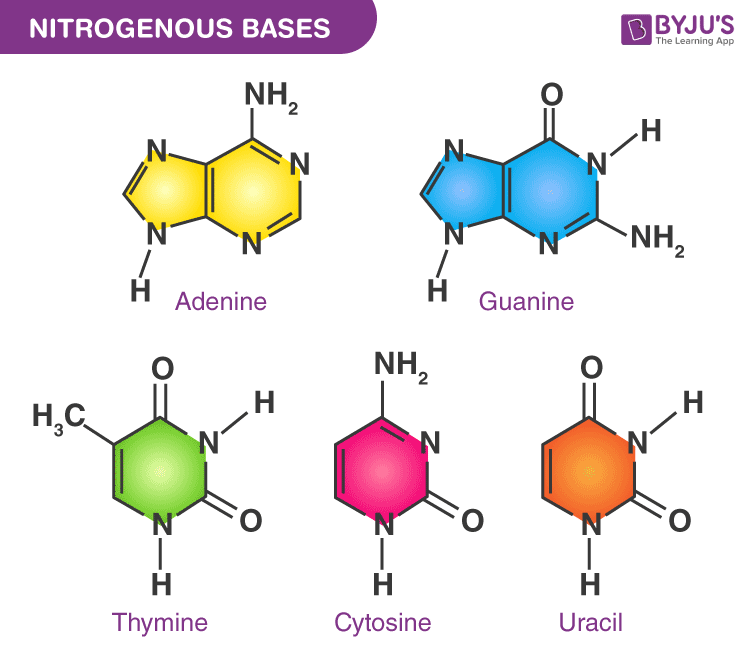
Explanation of 3 Parts of a Nucleotide and Nucleotide Examples - HoneyReads Within the 3 parts of a nucleotide, there are five types of nucleotide bases which are: Adenine (A), Cytosine (C), Guanine (G), Thymine (T) and Uracil (U). When they are combined with sugar, they form nucleotide adenosine, cytidine, guanosine, thymidine, and uridine. 1. Adenine
3.3.1 Outline DNA Nucleotide Structure
byjus.com › neet › nucleotideNucleotide: Structure, Examples and Function - BYJUS It forms a double bond with thymine in the nucleotide structure. Guanine Structure: Guanine is again, a purine derivative that is made up of two nitrogen containing rings. It forms a triple bond with cytosine in the nucleotide structure. Thymine Structure: Thymine is a pyrimidine derivative that is made up of a single ring containing nitrogen ...

DNA Molecules & Nucleotides | AncestryDNA® Learning Hub
Why are the three parts of a nucleotide? Explained by FAQ Blog Which of the 3 parts of a nucleotide helps determine the code or sequence of a gene? Each nucleotide contains one of four nitrogen-containing bases: adenine (A), thymine (T), cytosine (C) and guanine (G).The sequence of these bases constitutes the genetic code - that specifies the order and number of amino acids in a protein.
Solved 5. Nucleotides are complex monomers. Label the three ...
ROSALIND | Counting DNA Nucleotides 02.07.2012 · Each nucleotide is formed of three parts: a sugar molecule, a negatively charged ion called a phosphate, and a compound called a nucleobase ("base" for short). Polymerization is achieved as the sugar of one nucleotide bonds to the phosphate of the next nucleotide in the chain, which forms a sugar-phosphate backbone for the nucleic acid strand. A key point is that …

Molecular Basis Of Inheritance - Notes
biologydictionary.net › ribosomeRibosome - Definition, Function and Structure | Biology ... Apr 28, 2017 · The small subunit, as seen in the image above, helps to hold the mRNA in place as the ribosome translates it into protein. The larger subunit has various sites involved with different parts of the protein synthesis process. When the tRNA first binds to the mRNA, the P site can bind to these molecules.
Chapter 12:DNA and RNA (Molecular Genetics). - ppt video ...
Nucleotide - Genome 28.09.2022 · A nucleotide is the basic building block of nucleic acids (RNA and DNA). A nucleotide consists of a sugar molecule (either ribose in RNA or deoxyribose in DNA) attached to a phosphate group and a nitrogen-containing base. The bases used in DNA are adenine (A), cytosine (C), guanine (G) and thymine (T). In RNA, the base uracil (U) takes the place of …
Chapter 11: Concept 11.2
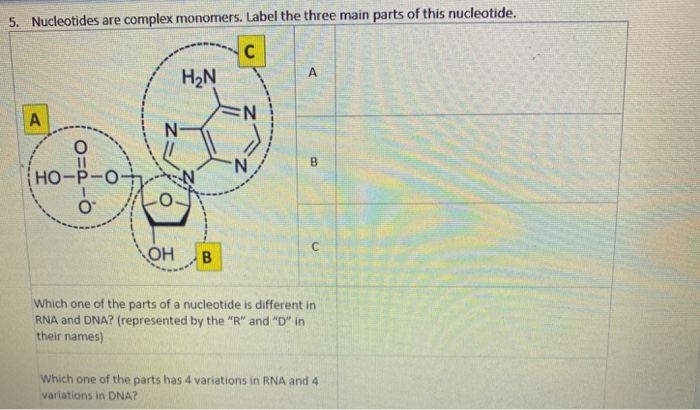
What are the three parts of a nucleotide? - Toppr Ask What are the three parts of a nucleotide? Hard Solution Verified by Toppr Figure shows adenine structure. Nucleotide shown in the figure is divided into nitrogen containing base, sugar backbone and phosphate group. Was this answer helpful? 0 0 Similar questions What fraction of a radioactive sample remains after three half-lives? Medium
Nucleotide: Structure, Examples and Function
Explain The Three Parts Of A Nucleotide - 564 Words | Cram a) The three parts of a nucleotide are phosphate, nitrogen-containing base, and the deoxyribose sugar. b) Deoxyribose sugar is the sugar that is found in a nucleotide. c) The nitrogen-containing base is the nucleotide component that contains nitrogen. d) The four nitrogen bases shown in Model 1 are Adenine, Thymine, Guanine, and Cytosine.

Nucleic Acids – Easy Peasy All-in-One High School
DNA ligase - Wikipedia DNA ligase is a specific type of enzyme, a ligase, (EC 6.5.1.1) that facilitates the joining of DNA strands together by catalyzing the formation of a phosphodiester bond.It plays a role in repairing single-strand breaks in duplex DNA in living organisms, but some forms (such as DNA ligase IV) may specifically repair double-strand breaks (i.e. a break in both complementary strands of DNA).
Nucleotide - Wikipedia
Why are the three parts of a nucleotide? - yonbo.norushcharge.com The three parts of a nucleotide are connected via covalent bonds. The nitrogenous bases bonds to the first or primary carbon atom of the sugar. The number 5 carbon of the sugar bonds to the phosphate group. A free nucleotide may have one, two, or three phosphate groups that attach as a chain to the sugar's 5-carbon.

The 5 Kinds of Nucleotides Are Polymers Made Up of 3 Parts ...
What Are The Three Parts Of A Nucleotide | Jacks Of Science Each nucleotide is composed of three parts: a sugar, a phosphate, and a nitrogen-containing base. The sugar molecule can be either ribose or deoxyribose, and the phosphate group is bonded to the sugar via a phosphodiester bond. The nitrogen-containing base is attached to the sugar via a nitrogenous base pair. What is a phosphate group?
2.13: Nucleotides - Biology LibreTexts
3 Parts of a Nucleotide and How They Are Connected - ThoughtCo 24.01.2020 · A free nucleotide may have one, two, or three phosphate groups attached as a chain to the 5-carbon of the sugar. When nucleotides connect to form DNA or RNA, the phosphate of one nucleotide attaches via a phosphodiester bond to the 3-carbon of the sugar of the next nucleotide, forming the sugar-phosphate backbone of the nucleic acid .

Which are the 3 components of DNA nucleotide? Types of bonds ...
Name the 3 parts of a Nucleotide? - Answers A nucleotide has three parts: a sugar, a base, and a phosphate group, which contains phosphorus and oxygen atoms. its attached by DNA, RNA, and ATP. What are the three different parts of a...
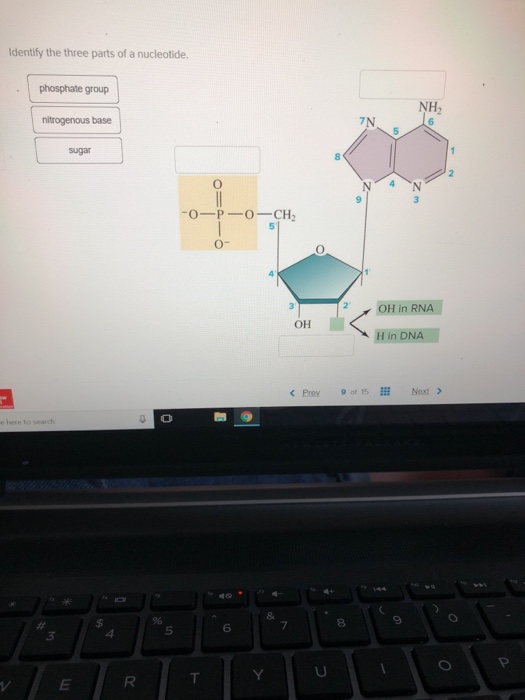
Solved Identify the three parts of a nucleotide. phosphate ...
› what-are-the-parts-of3 Parts of a Nucleotide and How They Are Connected - ThoughtCo Jan 24, 2020 · A free nucleotide may have one, two, or three phosphate groups attached as a chain to the 5-carbon of the sugar. When nucleotides connect to form DNA or RNA, the phosphate of one nucleotide attaches via a phosphodiester bond to the 3-carbon of the sugar of the next nucleotide, forming the sugar-phosphate backbone of the nucleic acid .

micro unit 3 ch 8 part 4 Flashcards | Quizlet
What are the Three Parts of a Nucleotide? | Albert.io 01.03.2022 · Figure 2: The chemical assembly of the three parts of the nucleotide, the phosphate (blue box), nitrogenous base (red box) and the pentose sugar. This particular nucleotide is adenine. The assembly of nucleotides (1) differentiates them from nucleosides, which do not contain a phosphate group (in the blue box); (2) allows the nucleotide to connect …
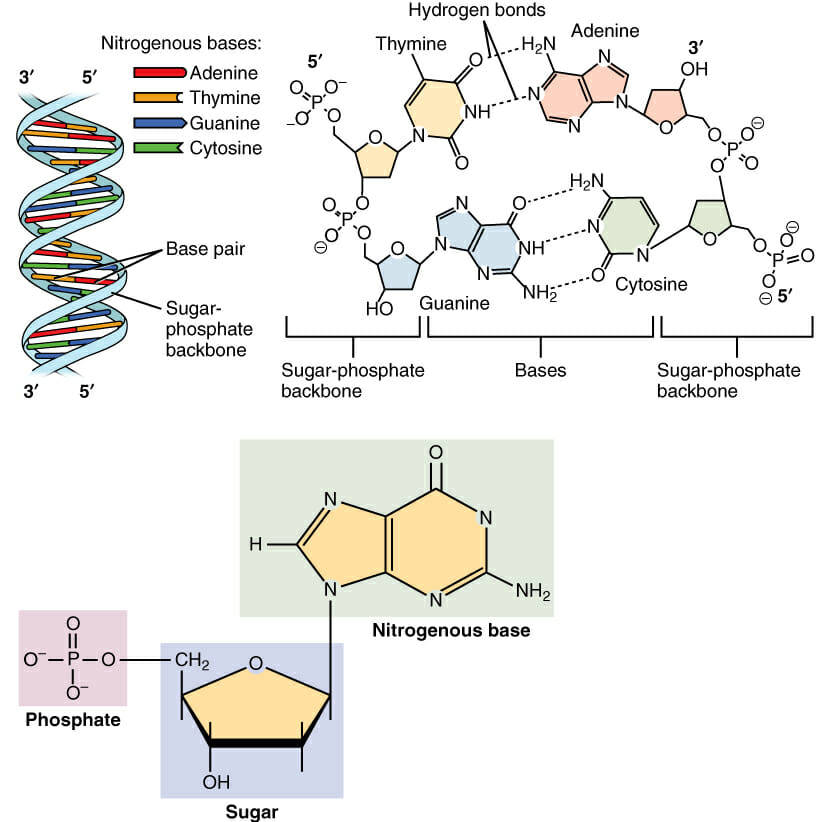
Nucleotide - Definition, Structure (3 Parts), Examples & Function
› blog › what-are-the-three-parts-of-aWhat are the Three Parts of a Nucleotide? | Albert.io Mar 01, 2022 · The assembly of nucleotides (1) differentiates them from nucleosides, which do not contain a phosphate group (in the blue box); (2) allows the nucleotide to connect to other nucleotides when the nitrogenous base forms a hydrogen bond with another nucleotide’s nitrogenous base; as well as (3) allows the phosphate to form a phosphodiester bond ...
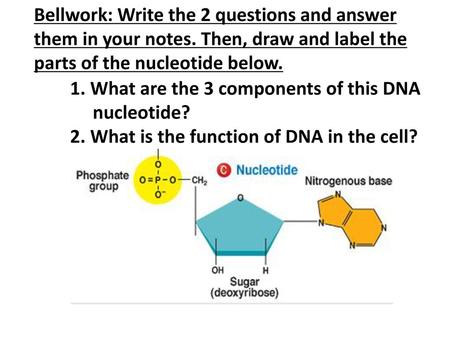
1. What are the 3 components of this DNA nucleotide? 2. What ...
Nucleotide - Definition, Structure (3 Parts), Examples & Function A nucleotide is made up of three parts: a phosphate group, a 5-carbon sugar, and a nitrogenous base. The four nitrogenous bases in DNA are adenine, cytosine, guanine, and thymine. RNA contains uracil, instead of thymine. A nucleotide within a chain makes up the genetic material of all known living things.

Nucleotide Structure, Parts & Function | What is a Nucleotide ...
What Are The Three Parts Of An Rna Nucleotide - Realonomics Structurally RNA is a linear polymer of four different nucleotides. Each nucleotide is composed of three parts: a five-carbon sugar known as ribose a phosphate group and one of four bases attached to each ribose. The four bases are adenine (A) cytosine (C) guanine (G) and uracil (U).
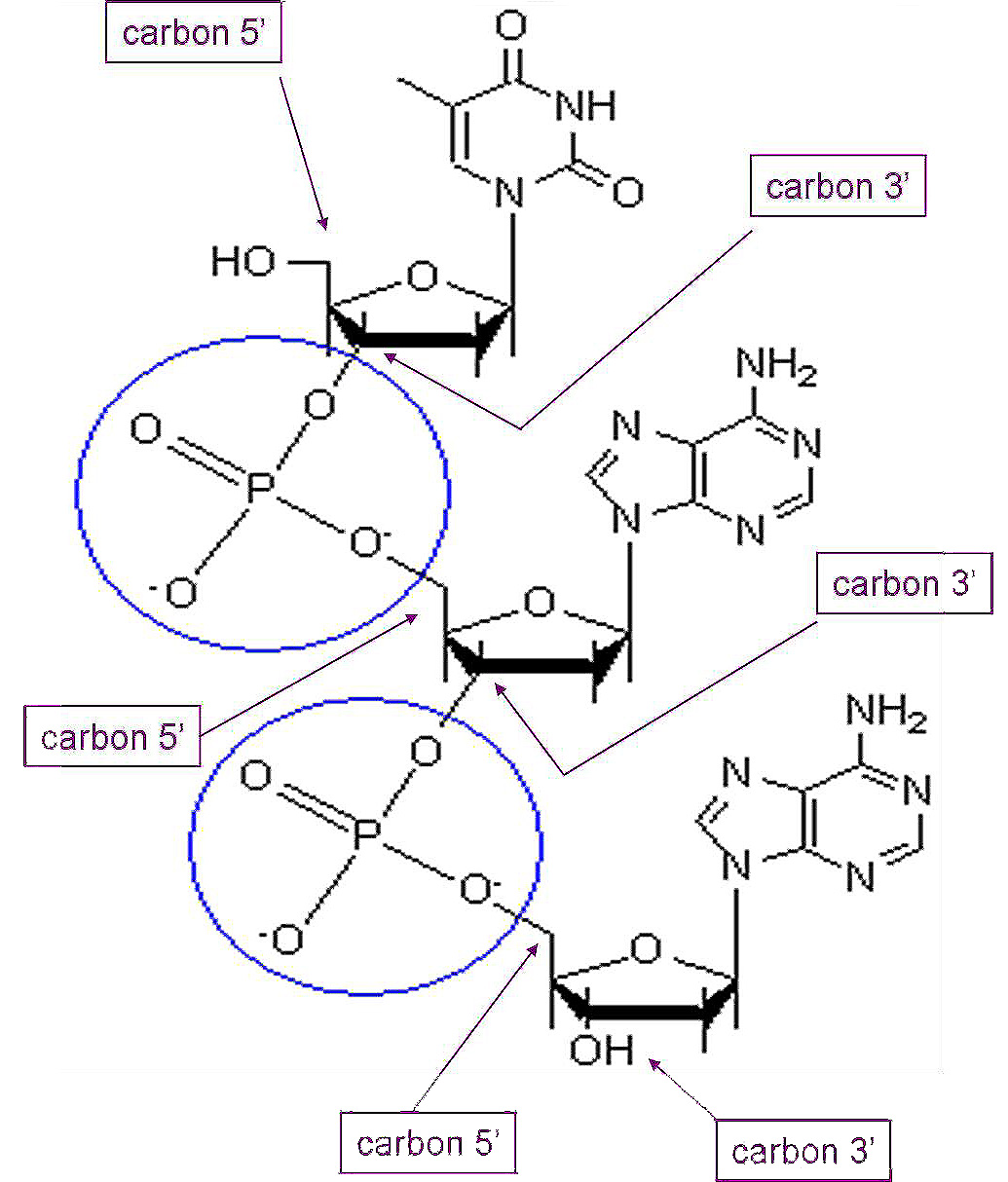
DNA II | Biology | Visionlearning
rosalind.info › problems › dnaROSALIND | Counting DNA Nucleotides Jul 02, 2012 · Each nucleotide is formed of three parts: a sugar molecule, a negatively charged ion called a phosphate, and a compound called a nucleobase ("base" for short). Polymerization is achieved as the sugar of one nucleotide bonds to the phosphate of the next nucleotide in the chain, which forms a sugar-phosphate backbone for the nucleic acid strand ...
DNA function & structure (with diagram) (article) | Khan Academy
The Formulation of Health Policy by the Three Branches of … 15.07.1988 · I will discuss three areas where courts have made major contributions to health policy-reproductive rights, the right to die, and mental health. The important role of the judiciary in the field of reproductive rights has been well discussed. 10 Beginning with the seminal cases of Griswold v. Connecticut 11 and, later, Roe v. Wade, 12 the courts for nearly two decades …

How do you draw a nucleotide and label its three basic parts?
. Each nucleotide consists of three parts: a nitrogenous base a five ... Each nucleotide consists of three parts: a nitrogenous base a five-carbon sugar (pentose sugar) a phosphate group (PO 43-) The bases and the sugar are different for DNA and RNA, but all nucleotides link together using the same mechanism. The primary or first carbon of the sugar links to the base.

What Are the Three Parts of a Nucleotide?
Where are the three components of a nucleotide? What are the 3 parts of the DNA nucleotide? In turn, each nucleotide is itself made up of three primary components: a nitrogen-containing region known as a nitrogenous base, a carbon-based sugar molecule called deoxyribose, and a phosphorus-containing region known as a phosphate group attached to the sugar molecule (Figure 1).
What are the Three Parts of a Nucleotide? | Albert.io
Nucleotides and Bases - Genetics Generation

The three components of a nucleotide are ...

Nucleotide - Definition, Structure (3 Parts), Examples ...

Diagram of a nucleotide | Download Scientific Diagram
How do you draw a nucleotide and label its three basic parts ...
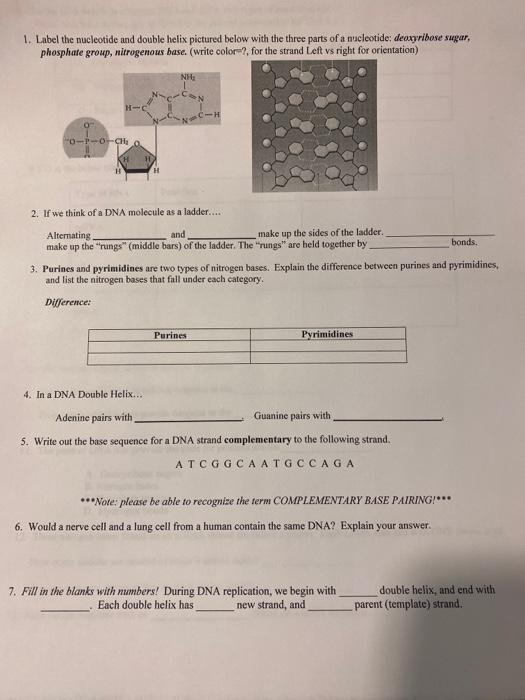
Solved 1. Label the nucleotide and double helix pictured ...
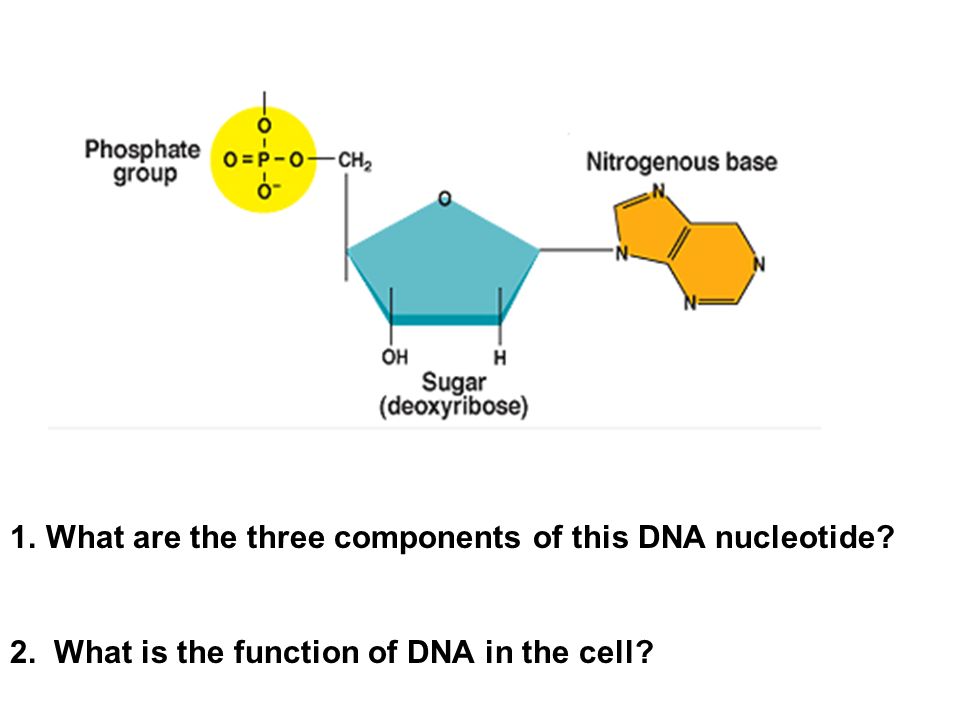
1.What are the three components of this DNA nucleotide? 2 ...
:max_bytes(150000):strip_icc()/dna-versus-rna-608191_sketch_Final-54acdd8f8af04c73817e8811c32905fa.png)
3 Parts of a Nucleotide and How They Are Connected
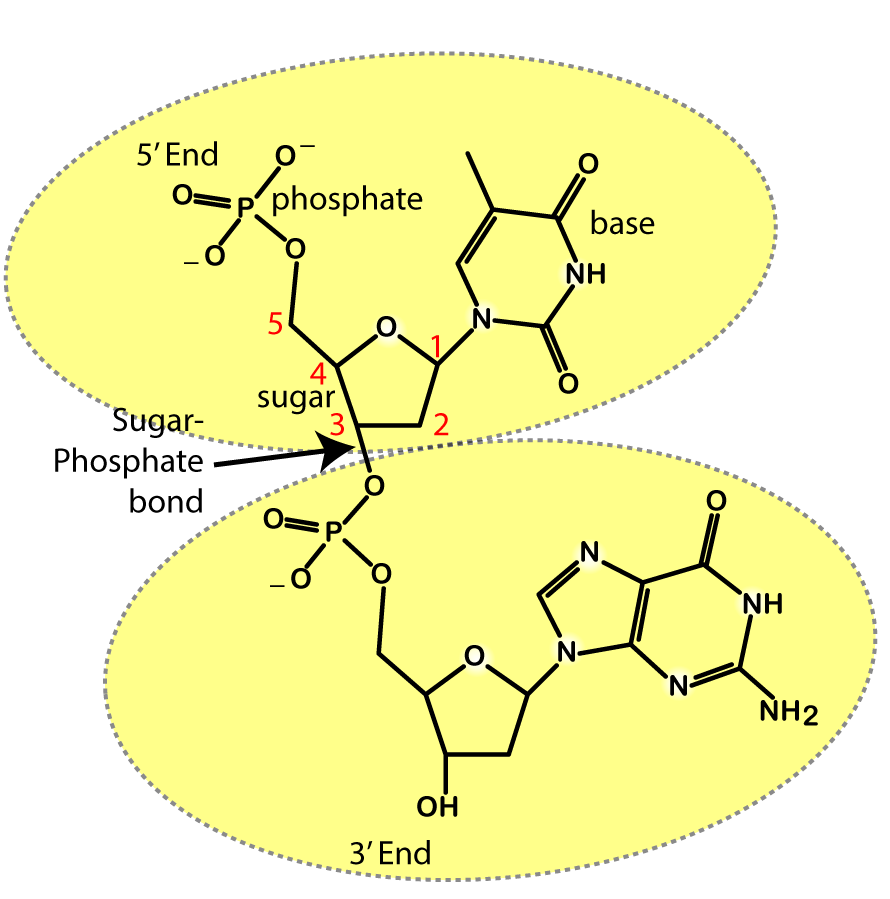
DNA Structure (Interactive Tutorial) – learn-biology
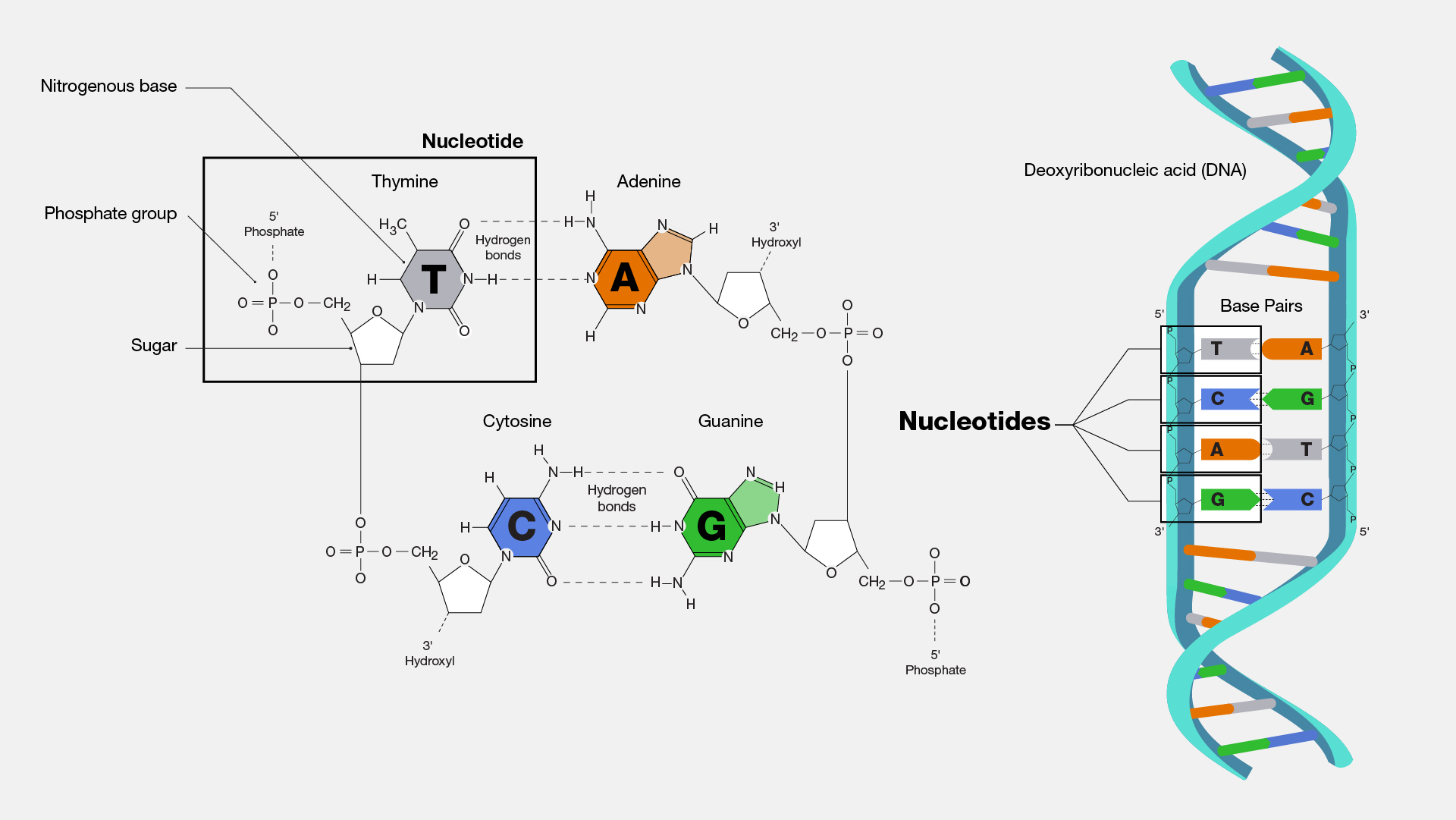
Nucleotide
/what-are-the-parts-of-nucleotide-606385-FINAL-5b76fa94c9e77c0025543061.png)
3 Parts of a Nucleotide and How They Are Connected

Pin on Macromolecules- Paul Coates
Solved Label the three parts of the nucleotide below. Circle ...

DNA Structure and Function Flashcards | Quizlet
DNA | Biomacromolecular structures

What are the three components of a single nucleotide? - Quora
Levene, 1920s Nucleotides make up DNA Nucleotides have ...
DNA Structure 3 Parts of a nucleotide: Nitrogenous Base Sugar ...

How do you draw a nucleotide and label its three basic parts ...
Discovery of DNA Double Helix: Watson and Crick | Learn ...
Post a Comment for "44 three parts of the nucleotide"